
UK eHGV Registrations Quadruple in Q3, A Clear Signal That Heavy-Duty Electrification Is Accelerating
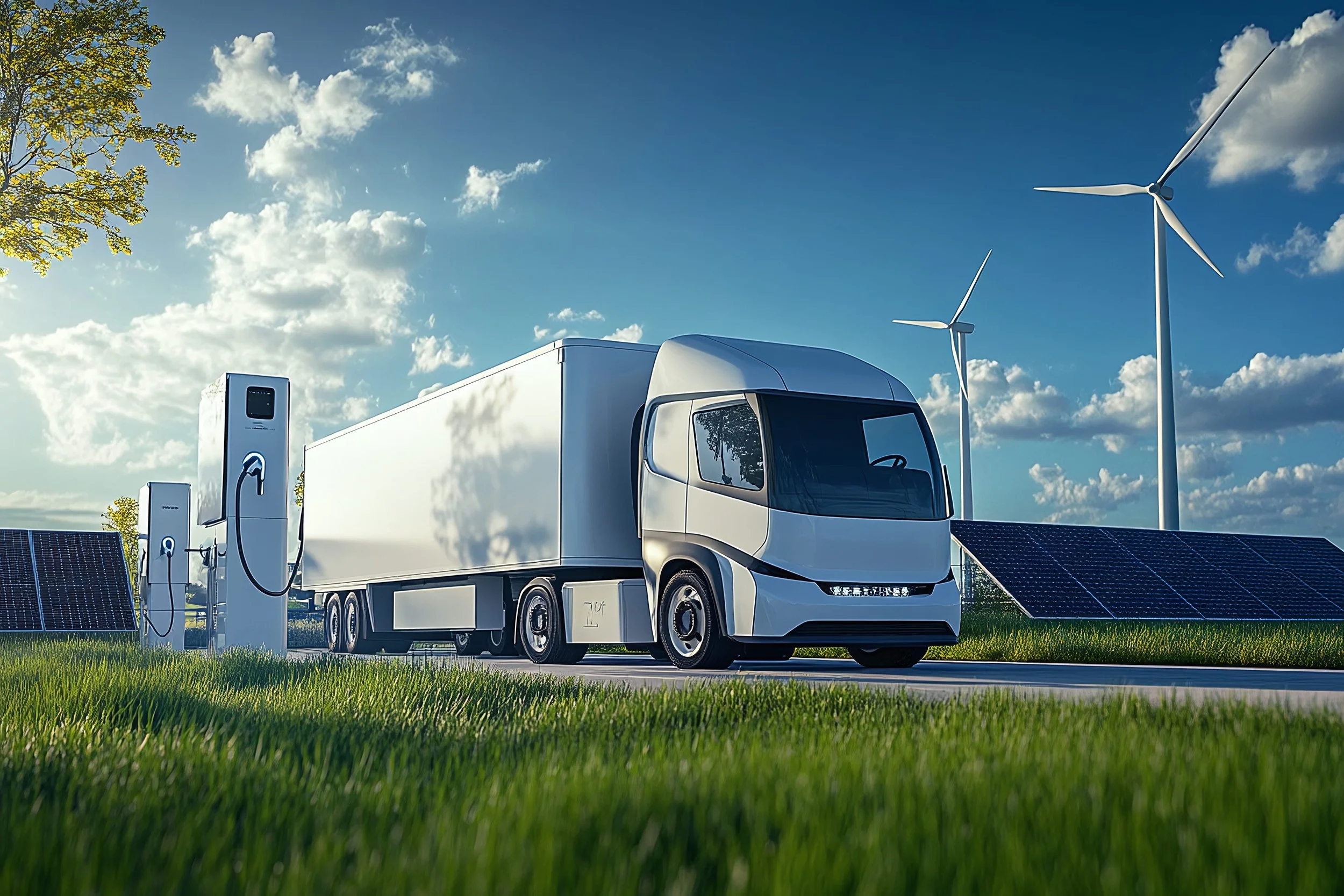
Electric eHGV - zeromission
The UK has hit a major inflection point in heavy-duty electrification. New data from the Society of Motor Manufacturers and Traders (SMMT) shows that zero-emission HGV registrations quadrupled in Q3, reaching 225 units, the highest quarterly volume on record. That brings the year-to-date total to 408 eHGVs, representing a 145.8% increase compared to the same period in 2024.
This surge positions Britain as Europe’s second-largest zero-emission HGV market, behind only Germany. According to SMMT, the growth is being driven by an “impressive product rollout” as a wider range of models now meet real-world fleet requirements, a shift that has long been anticipated but is only now scaling into meaningful numbers.
Real-World Adoption: DPD’s eActros 300 Trial Shows How Quickly the Market Is Maturing
Alongside the registration data, parcel giant DPD has announced a long-term trial of the Mercedes-Benz eActros 300 lowliner, evaluating how a full-battery long-haul HGV performs in day-to-day operations.
What’s particularly significant is DPD’s decision to test the eActros using existing 50kW chargers at its depot, the same units used to charge its electric van fleet. Despite the truck’s substantial 336kWh battery (3 packs), the model’s efficiency and dwell patterns allow for daytime charging windows without impacting operations.
This underscores a key insight we see at ZeroMission across many fleets:
You don’t always need megawatt charging to start electrifying heavy vehicles. Smart scheduling, operational modelling and phased depot upgrades can unlock early adoption today.
And this is exactly why data-driven fleet intelligence platforms like éXō by ZeroMission are becoming mission-critical, giving operators visibility of dwell times, duty cycles, charge windows, grid demand, and energy planning long before the first eHGV arrives.
Infrastructure Is Still the Bottleneck, but Momentum Is Building
SMMT highlighted a truth the industry knows all too well: charging infrastructure, especially high-powered depot charging, remains the biggest barrier to faster eHGV deployment.
While the UK Government introduced the Depot Charging Scheme earlier this year, fleets are still facing:
Long timelines for grid connections
Uncertainty about future power requirements
Limited access to public high-power eHGV charging
High upfront CAPEX for depot upgrades without long-term certainty
SMMT has again urged government to prioritise grid connection requests for eHGV charging, similar to the preferential treatment already given to renewable generation and data centres.
At ZeroMission, we strongly support this call. Fleet operators cannot be expected to transition at scale when critical infrastructure timelines run into years.